
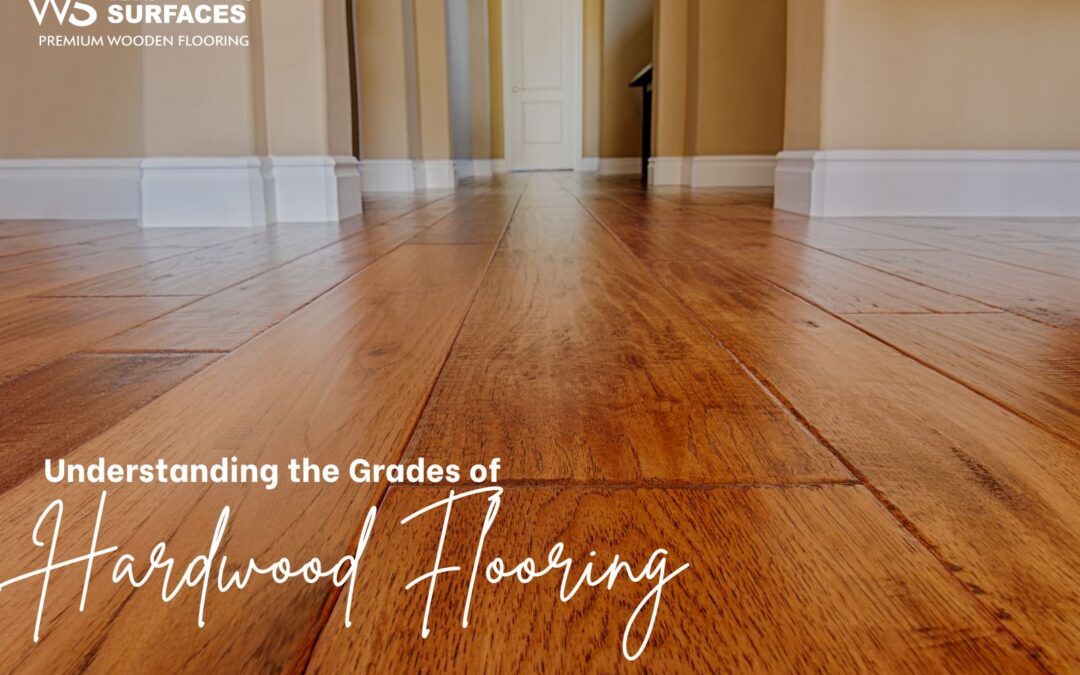
Hardwood flooring has always carried a quiet authority in interior design something about its warmth, its unmistakable grain movement, and its ability to age gracefully makes it a preferred surface in both traditional and contemporary spaces. Yet beneath this timeless appeal lies an important layer that often goes unnoticed: how hardwood is graded. This blog explores that world with a fresh perspective, moving beyond typical definitions and looking at what grade really means for homeowners, designers, and builders in India.
Why Grades Matter More Than Most People Realize
Imagine walking into a home. The flooring stretches across the entire visual field, setting the tone before you see a single piece of furniture. This is where flooring grade classification quietly shapes the final look. Grade is not a measure of strength but a reflection of the wood’s visual identity, how lively, calm, organic, or uniform the surface appears. Many buyers think every wooden plank is interchangeable as long as it’s made of the same species, but grade defines the story the floor will tell. A premium, consistent surface suits minimalist interiors, while a grade rich in knots and grain drama enhances rustic lofts or heritage-style homes.
What Grading Truly Represents—Beyond the Typical Definition
People often search for “wood flooring grades explained” only to find simplified lists that barely scratch the surface. What grading really communicates is the relationship between the tree’s natural history and the plank’s final appearance. Every plank comes from a slightly different part of the trunk, zones of slow growth, areas exposed to strong winds, sections touched by sunlight, and parts where branches once emerged. This translates into variation in colour, knot patterns, mineral lines, and texture. The grading system captures these nuances, offering a predictable range of what one can expect.
Unlike industrial rating systems for construction materials, grading in hardwood celebrates natural imperfections. A higher grade is not about “better quality” but about meeting a specific aesthetic palette. That’s why even in premium wood flooring in India, rustic and natural grades can be as desirable as the most refined ones, depending on the design intention.
The Subtle Art Behind Select Grades
Some hardwood floors are known for their serene, almost meditative appearance. These belong to the select or prime category wood sourced from the calmest inner zones of the trunk, where growth is even and uninterrupted. There are fewer knots, fewer bursts of contrasting tones, and fewer lines crossing the grain. These floors thrive in spaces where the designer wants a gentle, unobtrusive backdrop, such as gallery-inspired living rooms or office lobbies with high-gloss finishes.
This grading style is often chosen when the priority is refinement or when one is searching for best hardwood flooring options for luxury projects. Homes where continuity matters from room to corridor to stair benefit from this grade’s visual harmony. It provides an uninterrupted canvas for interior styling.
When Natural Grades Become A Design Statement
At the other end of the spectrum lies wood filled with personality visible knots, colour shifts, and dramatic swirls. This style is often misunderstood. Many think imperfections signal lower value, but in the world of hardwood flooring, these so-called “imperfections” are deeply prized for authenticity. Designers love using these grades in contemporary farmhouses, boutique cafés, and urban apartments wanting a touch of nature’s unpredictability. They create spaces that feel lived in from day one.
The Midway Grades That Balance Elegance With Character
There is also a middle ground, a grade that neither hides its natural lines nor overwhelms the room with visual drama. These balanced planks are often the most versatile, making them ideal for homes where every space has a different mood. They carry a sense of natural warmth without becoming the centre of attention. These grades work well for people who want a lively floor but still appreciate a cleaner composition.
How India’s Market Views Hardwood Grades Today
In India, the interest in hardwood flooring has shifted dramatically in the past decade. Earlier, buyers focused primarily on colour, whether they wanted walnut, oak, teak, or ash. Today, homeowners, architects, and developers are far more attentive to the subtleties that grading offers. With the rise of Scandinavian minimalism, Japandi interiors, and biophilic design, the expectation for honest, naturally expressive materials has surged.
This is why premium wood flooring in India now includes a large range of grading styles, imported options that highlight calm textures as well as locally preferred variations with deeper hues and pronounced grains. Customers often compare different grades side by side to evaluate how each interacts with light, furniture, and room proportions.
Matching Grade With Function Rather Than Trend
Choosing a hardwood grade isn’t only about chasing a trend. It is about understanding what the space demands whether it needs serenity or liveliness. High-traffic areas, for instance, do exceptionally well with grades that already carry natural features. Minor scratches or movement blend more seamlessly into a textured surface, while a refined prime grade may reveal every small mark.
Bedrooms benefit from softer visuals, while living rooms can become more inviting with dynamic patterns. Offices and retail spaces usually prefer a composed grade that reflects professionalism without feeling sterile. Understanding the expectations of each room makes the process of choosing a grade more intuitive than technical.
A Future Where Grading Enhances Personal Expression
What makes hardwood flooring timeless is its ability to evolve with the homeowner. Grading plays a quiet yet powerful role in this evolution. It gives each home an identity whether subtle or bold. As more people look for sustainable choices and nature-inspired interiors, the nuances of flooring grade classification will only grow in importance.
Whether one prefers the refined calm of select planks or the expressive charm of natural grades, there has never been a better time to explore the full spectrum of hardwood aesthetics. When the right grade is chosen, the floor becomes far more than a surface, it becomes an anchor that connects the entire design story.