
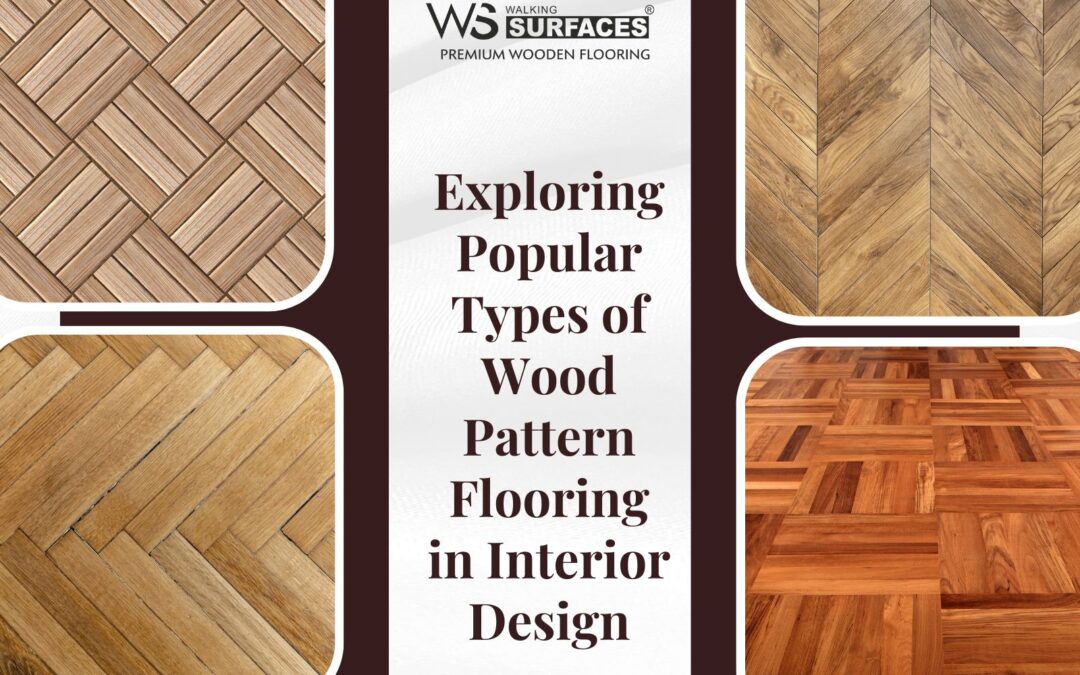
Interior design today is as much about expression as it is about functionality, and flooring plays a central role in shaping the overall atmosphere of a space. Among the many choices available, wood pattern flooring has steadily gained popularity for its ability to blend natural aesthetics with modern performance. From contemporary apartments to traditional villas, thoughtfully selected floor patterns can define how a room feels, flows, and functions. Understanding how different patterns work within interior design helps homeowners and designers create spaces that feel cohesive, elegant, and timeless.
The Growing Appeal of Wood Pattern Flooring
The attraction of wood-inspired surfaces lies in their versatility. Wooden textures naturally bring warmth and depth, but when combined with innovative layouts, they become a powerful design element. Unlike plain plank installations, patterned layouts add visual movement, making floors a feature rather than just a background surface. In interior design, these patterns help guide the eye, subtly influence room proportions, and support the overall theme of the space.
As design preferences evolve, the focus has shifted from uniform surfaces to expressive layouts. This shift has encouraged designers to explore different types of wooden pattern floorings that can complement both minimal and elaborate interiors. The result is a wide range of pattern options that work beautifully in living rooms, bedrooms, offices, and even commercial spaces.
Understanding the Role of Patterns in Flooring Design
Patterns in floorings are not merely decorative. They influence how a space is perceived. Linear patterns can elongate rooms, diagonal arrangements can make compact spaces feel larger, and intricate layouts introduce a sense of craftsmanship. When selecting wood flooring patterns, designers consider room size, natural light, furniture placement, and architectural features.
In modern interiors, patterns often act as a bridge between furniture and walls, tying together different materials and colors. In more traditional settings, they echo classic craftsmanship and heritage design. This balance between form and function is what makes patterned wood floors so enduring in interior design.
Classic Patterns That Never Go Out of Style
Some layouts have remained popular for decades because of their timeless charm. Straight plank arrangements, while simple, create a clean and balanced look suitable for contemporary homes. They allow the wood grain to take center stage and work well in open-plan interiors where continuity is essential.
Herringbone and chevron styles, often associated with European design, add a sense of movement and refinement. These patterns are frequently seen in designer wood flooring projects where elegance and detail are priorities. Their rhythmic arrangement brings sophistication without overwhelming the space, making them a favorite choice for living areas and master bedrooms.
Contemporary Interpretations in Modern Interiors
Modern design has reimagined traditional layouts with fresh perspectives. Wider planks, mixed tones, and unconventional alignments have become common in urban homes. These contemporary styles highlight the adaptability of wood-inspired surfaces, allowing them to fit seamlessly into minimalist, industrial, or even eclectic interiors.
In today’s homes, popular wood pattern flooring for homes often focuses on subtle contrast and texture rather than complexity. Designers prefer patterns that enhance the spatial flow while maintaining a calm visual balance. This approach ensures that flooring supports the overall design narrative rather than competing with it.
Cultural and Regional Influence in India
Wood pattern flooring in India has evolved to suit diverse climates, lifestyles, and architectural styles. From metropolitan apartments to spacious bungalows, patterned floors are chosen not only for aesthetics but also for practicality.
Indian interiors often emphasize warmth, comfort, and durability. Patterns that mimic natural wood layouts while offering easy maintenance are particularly valued. As a result, designers carefully select layouts that enhance ventilation, light distribution, and everyday usability without compromising on style.
The Rise of Custom and Designer Flooring Concepts
Customization has become a defining trend in interior design. Homeowners increasingly seek flooring solutions that reflect their personality and lifestyle. This demand has led to a rise in bespoke layouts where patterns are tailored to specific rooms and design themes.
Designer wood flooring often incorporates unique combinations of plank sizes, orientations, and finishes to create a one-of-a-kind look. These customized solutions elevate interiors by adding exclusivity and character. Whether it’s a statement floor in a living room or a subtle pattern in a private space, personalized designs offer creative freedom while maintaining harmony.
Choosing the Right Pattern for Your Space
Selecting the right flooring pattern requires a thoughtful approach. The size of the room, ceiling height, and natural light all play a role in determining which layout will work best. Larger spaces can accommodate more intricate designs, while smaller rooms benefit from simpler arrangements that avoid visual clutter.
Color and texture also influence the final outcome. Lighter tones with gentle patterns can make spaces feel airy, while darker shades with defined layouts add depth and drama. By understanding how patterns interact with other design elements, homeowners can make informed choices that enhance both aesthetics and comfort.
Conclusion
Wood pattern flooring has moved beyond being a functional surface to becoming a central design feature in modern interiors. With a wide variety of layouts available, designers and homeowners have the freedom to experiment while staying true to their personal style. The thoughtful use of patterns adds rhythm, balance, and character to spaces, making interiors feel complete and intentional.